In the packaging industry, efficiency, accuracy, and compliance are non‑negotiable. One of the most critical tools that supports these goals is the Industrial Inkjet Printer. From printing batch codes and expiry dates to logos and barcodes, industrial inkjet printers ensure that packaging meets both regulatory standards and customer expectations. Choosing the right printer can feel overwhelming, but with the right guidance, businesses can make informed decisions that save time and money.
This blog will walk you through the essentials of selecting an industrial inkjet printer, highlight key features to consider, and provide practical tips for packaging applications.
What is an Industrial Inkjet Printer?
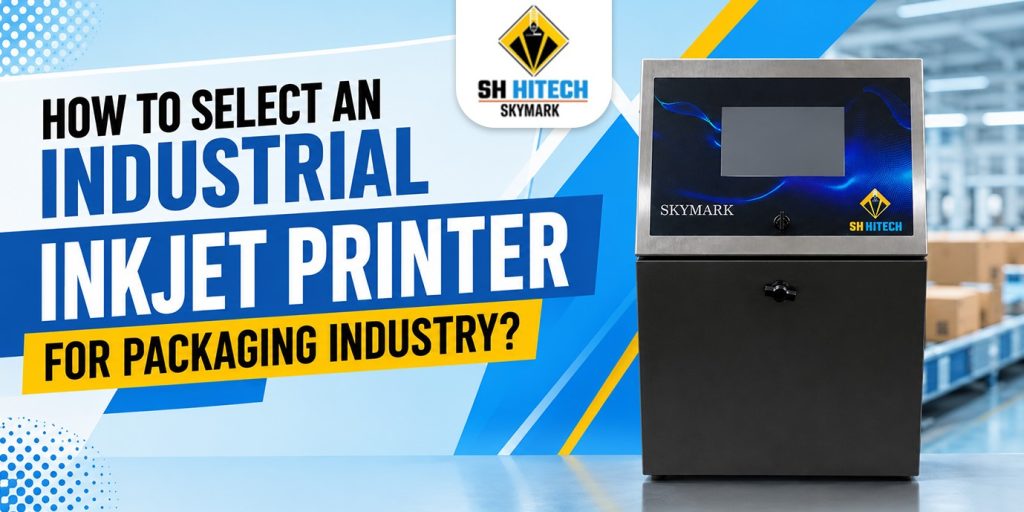
An Industrial Inkjet Printer is a high‑performance printing device designed for continuous use in manufacturing and packaging environments. Unlike handheld models, these printers are integrated into production lines, offering automated and high‑speed printing capabilities.
Key characteristics include:
- High‑resolution printing for text, logos, and barcodes
- Compatibility with diverse packaging materials (cartons, plastics, metals, glass)
- Continuous operation for large‑scale production
- Integration with conveyor systems and automated workflows
Why Packaging Industries Rely on Industrial Inkjet Printers
Packaging is more than just a protective shell; it communicates vital information to consumers and regulators. Industrial inkjet printers play a crucial role by:
- Ensuring compliance: Meeting labeling regulations for food, pharmaceuticals, and consumer goods.
- Improving traceability: Printing batch codes and expiry dates for supply chain management.
- Enhancing branding: Adding logos and product details directly on packaging.
- Reducing downtime: Automated printing minimizes manual intervention.
Factors to Consider When Selecting an Industrial Inkjet Printer
1. Printing Speed
High‑volume packaging lines demand printers that can keep up with production speed. Evaluate the printer’s maximum prints per minute and ensure it aligns with your output requirements.
2. Print Quality
Resolution matters when printing barcodes, QR codes, and logos. Look for printers offering sharp, smudge‑free prints that remain legible throughout the product lifecycle.
3. Material Compatibility
Different industries use cartons, plastics, metals, or glass. Ensure the printer can handle the specific substrates used in your packaging.
4. Ink Options
Industrial inkjet printers support various inks—solvent‑based, UV‑curable, or water‑based. Choose inks that suit your packaging material and environmental conditions.
5. Ease of Integration
The printer should integrate seamlessly with existing conveyor systems and production lines. Compatibility with automation software is a plus.
6. Maintenance Requirements
Low‑maintenance printers reduce downtime. Features like self‑cleaning nozzles and easy cartridge replacement are valuable.
7. Cost Efficiency
Consider both upfront costs and long‑term expenses, including ink consumption, maintenance, and energy usage.
Step‑by‑Step Guide to Choosing the Right Printer
- Assess Production Needs: Define your daily output, packaging materials, and compliance requirements.
- Compare Printer Models: Review specifications from different manufacturers.
- Test Print Samples: Request demo prints to evaluate quality and durability.
- Check Integration Compatibility: Ensure the printer fits into your existing production line.
- Evaluate Support Services: Reliable after‑sales support and training are essential.
Best Practices for Packaging Industry Applications
To maximize the benefits of an industrial inkjet printer:
- Regular maintenance: Prevent clogging and ensure consistent print quality.
- Use high‑quality ink: Avoid smudging and fading.
- Train staff: Proper handling ensures efficiency and reduces errors.
- Monitor compliance: Stay updated with industry regulations.
- Run periodic tests: Confirm barcode readability and print durability.
Benefits of Industrial Inkjet Printers in Packaging
Industrial inkjet printers deliver measurable advantages:
- Scalability: Suitable for small to large production volumes.
- Versatility: Print on multiple materials and surfaces.
- Reliability: Consistent performance in demanding environments.
- Customization: Easily update designs, codes, or dates.
Conclusion: SH Hitech Solution’s Expertise
Selecting the right Industrial Inkjet Printer is a strategic decision for packaging businesses. With expertise across diverse industries, SH Hitech Solution provides tailored solutions that help companies integrate advanced printing technology seamlessly. Their commitment to innovation and customer support ensures that businesses achieve compliance, efficiency, and high‑quality packaging outcomes.