In modern manufacturing and packaging industries, accurate product identification is essential for maintaining quality standards, regulatory compliance, and efficient supply chain management. Products must carry clear information such as manufacturing date, expiry date, batch number, serial number, and product identification codes. These markings help manufacturers track products, manage inventory, and maintain transparency with customers.
To ensure reliable product marking, manufacturers use Batch Coding Machines integrated into their production and packaging lines. These machines automatically print important product details on packaging materials as products move through the manufacturing process. Automated coding technology helps companies maintain consistency, reduce human errors, and improve operational efficiency.
What Is a Batch Coding Machine?
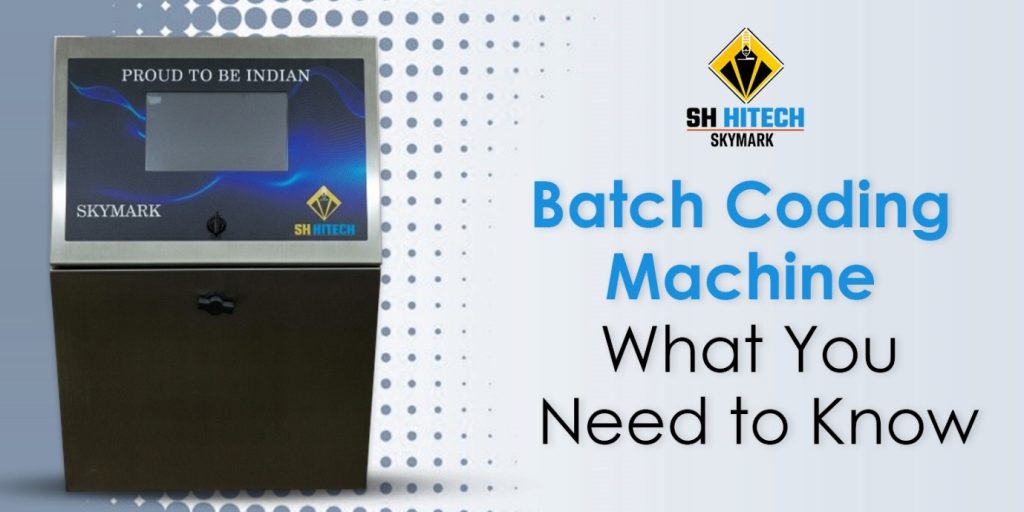
A batch coding machine is an industrial printing device used to mark packaging or products with important information such as batch numbers, manufacturing dates, expiry dates, product codes, and barcodes.
These machines are typically installed on production lines where products move along conveyor systems. As each product passes through the coding station, the machine prints the required information automatically.
Because modern manufacturing environments operate at high speeds, automated coding systems are necessary to maintain efficiency. Batch Coding Machines allow manufacturers to print accurate information without slowing down production.
Why Product Coding Is Important
Product coding is essential for manufacturers for several reasons. It helps maintain traceability, ensures compliance with regulatory requirements, and improves overall supply chain transparency.
Manufacturers must provide accurate product information so that distributors, retailers, and consumers can easily identify products. If any defect or safety issue arises, companies can quickly trace the affected batch and take corrective action.
Product coding also supports inventory management by helping businesses track products from manufacturing to final delivery. Because of these requirements, Batch Coding Machines have become a standard part of modern production systems.
How Batch Coding Machines Work
The coding process begins with digital input where manufacturers program the machine with the required product information such as manufacturing date, batch number, and expiry date.
As products move along the conveyor system, sensors detect each package and trigger the printing process. The machine then prints the required code directly on the packaging surface using technologies such as inkjet printing, laser marking, or thermal transfer printing.
This automated process ensures that every product is marked with clear and accurate information. By maintaining consistent coding across high-speed production lines, Batch Coding Machines help manufacturers achieve efficient and reliable packaging operations.
Types of Coding Technologies Used in Industry
Different industries require different coding technologies depending on packaging materials and production requirements.
Continuous Inkjet Printing: Continuous inkjet printers are widely used in high-speed production environments. These machines spray small droplets of ink onto packaging surfaces to create characters, numbers, and barcodes. They can print on various materials including plastic bottles, metal cans, glass containers, and flexible packaging films.
Thermal Inkjet Printing: Thermal inkjet printers use heat to create ink droplets that form precise and high-resolution characters. They are commonly used for printing on cartons, labels, and paper packaging. These systems are known for producing sharp and clear codes.
Laser Coding Machines: Laser coding technology uses a focused beam of light to engrave product information directly onto packaging materials. Since laser systems do not require ink, the markings are permanent and resistant to environmental conditions. Laser coding is often used in pharmaceutical and beverage industries.
Thermal Transfer Printing: Thermal transfer printers are typically used for flexible packaging materials such as snack packets, pouches, and plastic films. They use a heated ribbon to transfer ink onto packaging surfaces. Each of these technologies serves different production needs depending on the type of packaging and required print durability.
Advantages of Using Batch Coding Machines
Automated coding technology offers several advantages that improve manufacturing efficiency and product reliability.
High-Speed Production: Coding systems can operate at the same speed as modern production lines, ensuring that every product is marked without slowing down the manufacturing process.
Accurate and Consistent Printing: Automated systems ensure consistent print quality and reduce the chances of incorrect or missing product information.
Reduced Manual Labor: Automation reduces the need for manual labeling or stamping, allowing workers to focus on other important production tasks.
Regulatory Compliance: Many industries require clear product identification to comply with safety regulations. Coding systems help manufacturers meet these legal requirements.
Improved Product Traceability: Printed batch numbers and codes allow manufacturers to track products throughout the supply chain. These advantages explain why Batch Coding Machines are widely used in modern manufacturing environments.
Industries That Use Batch Coding Machines
Product coding technology is used across multiple industries where accurate product identification is essential.
The food and beverage industry uses coding systems to print manufacturing and expiry dates on packaged products.
The pharmaceutical industry requires strict batch tracking to ensure safety and regulatory compliance.
Cosmetic manufacturers use product codes to maintain quality control and product authenticity.
Electronics manufacturers print serial numbers and product identification codes to manage inventory and warranties.
Across these sectors, Batch Coding Machines play a crucial role in maintaining reliable production processes.
Choosing the Right Coding Machine
Selecting the right coding system requires evaluating several important factors.
Manufacturers must consider production speed, packaging material compatibility, print durability, and operational environment. High-speed production lines may require continuous inkjet systems, while flexible packaging may require thermal transfer printing technology.
Maintenance requirements, operational costs, and integration with existing packaging lines should also be considered. A well-selected coding system ensures that Batch Coding Machines operate efficiently and deliver long-term reliability.
Future of Industrial Coding Technology
Industrial coding technology continues to evolve as manufacturing systems become more automated and digitally connected. Modern coding machines can integrate with production management systems that monitor production data in real time.
Future developments may include improved laser marking technology, eco-friendly ink solutions, and advanced barcode printing capabilities. These innovations will continue to enhance product traceability and supply chain efficiency in manufacturing industries.
Role of SH Hitech Coding Private Limited in Industrial Coding Solutions
Reliable technology providers help manufacturers implement efficient coding systems. SH Hitech Coding Private Limited offers advanced coding and marking equipment designed for modern production environments. The company provides high-performance printing solutions capable of operating on various packaging materials including plastic, metal, glass, cartons, and flexible packaging films.
Their equipment is designed to deliver consistent printing quality, high-speed performance, and minimal maintenance. With strong technical expertise and innovative solutions, SH Hitech Coding Private Limited supports manufacturers in achieving efficient packaging operations and reliable product identification.
Conclusion
Product identification is a critical component of modern manufacturing. Accurate coding ensures that products carry essential information such as manufacturing dates, expiry dates, and batch numbers, allowing manufacturers to maintain traceability and regulatory compliance. Automated solutions such as Batch Coding Machines help businesses print this information quickly and accurately during high-speed production processes.
With the support of reliable providers like SH Hitech Coding Private Limited, manufacturers can implement advanced coding technologies that improve packaging efficiency, reduce operational errors, and ensure consistent product identification across industries.
Book a Free Consultation for Batch Coding Machine Solutions
📩 Email: contact@shhitech.in
📞 Phone: +91-9011116630 | +91 9112711560
🌐 Website: https://shhitech.in/